

Heavy Metals in Matcha: The Real Picture, and How to Choose Well
Lead in matcha has been making headlines since 2025, and the question deserves better than a scary title: where heavy metals in tea come from, what published tests actually show, which thresholds exist, and how to pick a powder whose origin you can verify. We answer everything, including what we do on our end.
The short answer: yes, every tea in the world contains traces of heavy metals, because the tea plant draws in whatever its soil and air carry. No, that does not make your cup dangerous: in the vast majority of published tests, the levels found in quality matcha stay under the strictest thresholds, even with a daily habit. But matcha is the whole leaf, ground and swallowed, so sourcing matters more here than for any steeped tea. That is exactly why we source our two powders in Uji, from an identified producer, first spring harvest: young leaves grown in healthy soil are, across published tests, the ones that come back lowest. Here is the full picture, without panic and without smoke.
Why everyone is talking about lead in matcha since 2025
Matcha exploded in popularity, and popularity brings testing. Since 2025, independent labs and health-focused reviewers have been publishing analyses of powders sold in North America, and some results went viral on TikTok and in the media. What struck people: well-known brands, including certified organic ones, showed measurable traces of lead, cadmium or arsenic.
Two things are true at the same time. First truth: those traces exist, and no serious brand should claim otherwise on principle, because the tea plant absorbs what its environment provides. Second truth: "detectable" does not mean "dangerous." Modern labs measure concentrations down to billionths of a gram per gram of powder. The real question is not "is there any," it is "how much, against which threshold, at what daily intake." That is where brands genuinely differ, and that is what this article equips you for.
Where heavy metals in tea come from
The tea plant (Camellia sinensis) lives in the same spot for decades and accumulates in its leaves whatever its surroundings give it. There are three doors in.
The soil. This is the main one. Lead, cadmium and arsenic, whether naturally present or left behind by past industrial activity, travel up through the roots. A tea field planted near an industrial zone, an old mine or a busy road will give more loaded leaves than an isolated field with healthy soil. That is why the specific growing region matters more than the country printed in big letters on the package.
The air. Dust and atmospheric fallout settle on the leaves. The legacy of leaded gasoline and coal can still be read in the soil and air of some producing regions of the world. Leaves that stay on the bush a long time accumulate more of these deposits.
The age of the leaf. A detail few people know: the longer a leaf lives on the plant, the more time it has to accumulate metals. Young spring shoots from the first harvest, picked after a few weeks of growth, consistently show lower levels than mature leaves harvested later in the season. A first-harvest ceremonial matcha starts with a head start over a late-harvest culinary grade, on top of its taste advantages. Our ceremonial matcha guide explains what "first harvest" means in practice.
Is matcha riskier than steeped tea?
This is the core argument of the alarmist articles, and it holds a piece of truth. When you steep loose-leaf tea, you throw the leaf away: most of the lead it contains, around 90% according to steeping studies, stays trapped in the leaf headed for the compost. When you drink matcha, you swallow the whole leaf, ground to powder. Whatever it carries, you consume.
But you have to finish the math, because it also works in matcha's favour. A cup of matcha uses 1 to 2 grams of powder, versus 2 to 3 grams of leaves for a teapot. And quality matcha comes precisely from the youngest, least loaded leaves. The result: a good first-harvest matcha drunk daily exposes you to fractions of a microgram of lead, under the strictest thresholds in North America. A matcha of vague origin, made from late leaves grown in questionable soil, can multiply that exposure by ten or more. The conclusion is not "avoid matcha," it is "choose it more carefully than any other tea." That is exactly the work we have done for you: our two Uji powders are first harvest, with the producer and cultivar listed. Browse the shop, every product page shows the origin, harvest and cultivar.
Standards and thresholds: who regulates what
There is no single worldwide standard for heavy metals in tea leaves, which is why every article quotes different numbers. Here are the useful reference points.
| Reference | What it says | Takeaway |
|---|---|---|
| California (Prop 65) | Mandatory warning above 0.5 micrograms of lead per day | The strictest threshold in North America; it is the benchmark used by independent testing |
| Canada | No limit specific to tea leaves; Health Canada monitors food supply broadly | Cleanliness rests on the importer, which is why a precise, verifiable origin matters |
| European Union | Regulates lead in many foods, without a dedicated threshold for dried tea leaves | Same logic: vigilance falls to the seller |
| Japan | Strict agricultural controls, traceability by producer and by lot | The system runs on the reputation of houses and regions, documented lot by lot |
The number to remember is California's: 0.5 micrograms of lead per day. It is a deliberately very low precautionary threshold, not a danger line, and that is precisely what makes it a useful yardstick: a matcha that passes that test as a daily drink should worry no one.
What the published tests show
The independent testing campaigns published in 2025 and 2026 on matcha sold in North America paint a fairly clear picture. Most tested powders contain lead traces measured in tens of parts per billion (ppb), meaning tens of billionths of a gram per gram of powder. Let's do the math together so it feels concrete: a powder at 50 ppb of lead, whisked into a cup with 2 grams, delivers 0.1 micrograms of lead. That is five times under the California threshold, for a daily habit.
But the same campaigns show the other side of the coin: the gaps between brands are wide, with some powders several times above their competitors, and organic certification predicts nothing. Organic covers pesticides and farming methods, not the metals sitting in the soil: a certified organic field planted on loaded soil gives loaded tea. We explain this in detail in our article on organic matcha, and it is why we have always led with origin and traceability rather than logos.
The most reliable information is the exact provenance of the batch you are buying. Not a brand's vague promise, not a country printed large on the tin: the region, the producer, the harvest. That is the standard we hold ourselves to on the Ceremonial No.3 and the Barista No.1 alike: every batch is traceable back to the field before it reaches your cup.
Our approach: full traceability, from field to cup
Here is what we do at Bian Matcha, plainly. Our two powders come from Uji, Japan, from an identified producer, first spring harvest, with the cultivar listed on every product page. That traceability is not marketing: it is what makes it possible to know exactly which field each batch comes from.
And that choice is no accident. Young first-harvest leaves accumulate fewer metals than late-season ones, and a renowned terroir like Uji lives off the health of its soil: a producer's reputation there is built harvest after harvest, under Japanese agricultural controls that are among the strictest in the world. It is the combination that consistently comes out on the right side of published tests: first harvest, named region, identified producer.
We would rather show what can be verified: the region, the harvest, the cultivar, the producer. And if your cup does not win you over, the 14-day money-back guarantee applies, no questions asked.
How to choose a matcha with no bad surprises: the checklist
Whether you buy from us or elsewhere, here are the five reflexes that genuinely reduce the risk, in order of importance.
1. A named region, not just a country. "Uji," "Nishio," "Yame" put a terroir's reputation and its growers on the line. A bare "Product of Japan," or worse, no origin at all, tells you nothing about the soil.
2. A first harvest. Young spring leaves have accumulated fewer metals than late-season leaves. True for taste, true for cleanliness: the two go together.
3. A seller who answers questions. Exact origin, harvest, cultivar, producer: a serious brand answers precisely when you ask where its powder comes from. Total vagueness, in an era when everyone is asking about heavy metals, is an answer in itself.
4. Suspicion toward anonymous bargains. A powder with no origin, no harvest and no cultivar sold at a third of market price saved money somewhere. First-harvest leaves and traceability are among the possible savings.
5. Organic as a bonus, not a guarantee. Organic certification protects against pesticides, not against metals in the soil. An organic matcha of vague origin is still a matcha of vague origin.
These reflexes line up exactly with the quality criteria we detail in our guide to spotting quality matcha: the transparency that protects your palate is the same one that protects your health. And if you would rather skip the research phase, the work is already done: the Discovery Pack brings together our two traceable Uji powders, about 100 cups to find your favourite.
How many cups a day? The worry-free amount
For a matcha of verified quality, published analyses and precautionary thresholds converge: 1 to 3 cups a day, meaning 2 to 6 grams of powder, pose no heavy metal problem. At those amounts, even a powder with measurable traces stays well under the California threshold, the strictest there is. The practical limit on daily matcha comes from caffeine instead, which we quantified in our article on caffeine in matcha.
Two situations deserve an extra word. Pregnant women, because lead crosses the placenta and no avoidable exposure is desirable during pregnancy: a first-harvest matcha with a verifiable origin earns its keep here, and we covered the full topic in matcha and pregnancy. Young children, for the same reason of caution: matcha is not a drink for them anyway, caffeine being what it is.
For everything else, keep the big picture in mind: well-chosen matcha remains one of the most antioxidant-rich drinks there is, and its documented benefits are measured in milligrams, not billionths of a gram. Your daily ritual deserves a powder that earns it: the Ceremonial No.3 to drink it straight, the Barista No.1 if you live in latte mode.
The bottom line: cleanliness starts in the field
The wave of worry about heavy metals will have had one merit: it forces the matcha industry to show its cards. Ours are on the table: two first-harvest Uji powders, producer and cultivar listed, traceability all the way back to the field, and a 14-day guarantee if the taste does not win you over. You no longer have to choose between drinking your matcha and second-guessing it. If you want to dig deeper before buying, our guide to Japanese matcha regions and our guide to choosing your matcha round out this file; otherwise, the shop is waiting.
Bian Matcha, Québec
First-harvest Uji, identified producer: full traceability.
First-harvest Uji matcha, identified producer and cultivar, young spring leaves. Free shipping over $80, 14-day money-back guarantee.
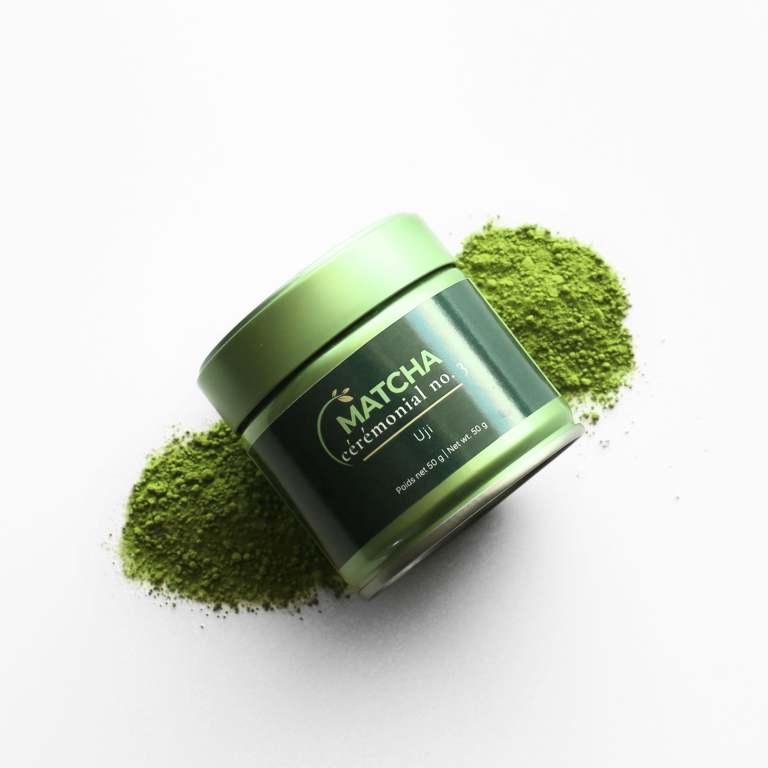
Okumidori from Uji, first harvest, smooth and umami. Young spring leaves, identified producer.
$54.90 See the Ceremonial No.3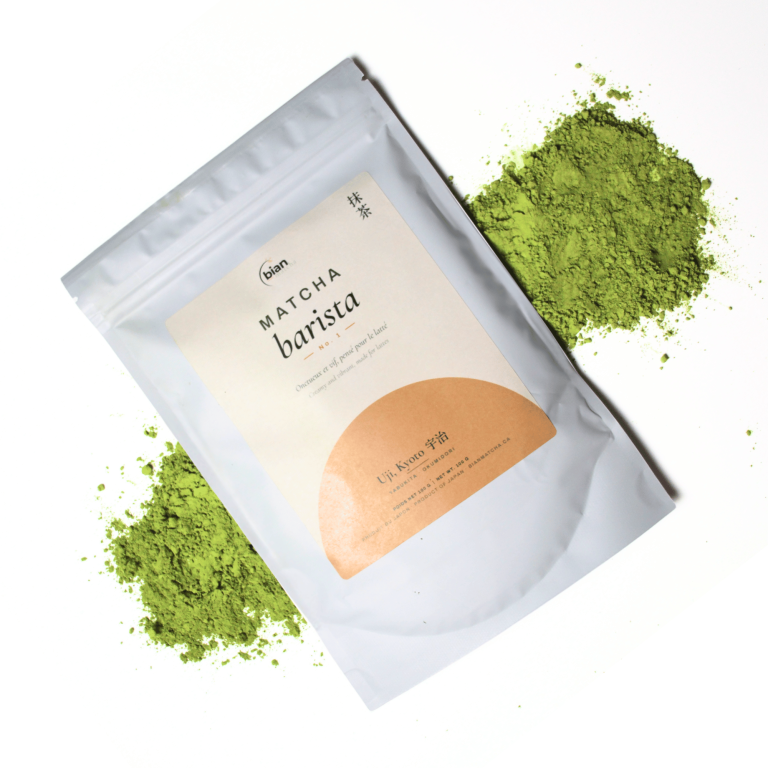
Bold profile built for milk, 100 g format, about 50 lattes. Same Uji origin, same first harvest.
$52.90 See the Barista No.1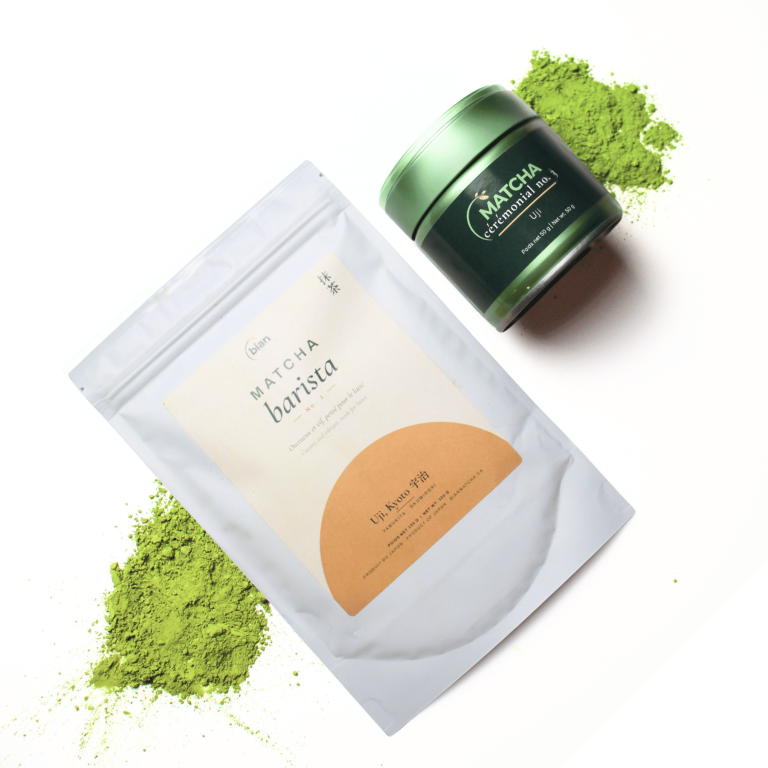
The Ceremonial No.3 and the Barista No.1 together: about 100 cups, two traceable Uji powders.
$98.90 See the Discovery PackFAQ: heavy metals and matcha
Does matcha contain heavy metals?+
All teas contain traces of heavy metals, because the tea plant absorbs what is in its soil and air. In a quality matcha, those traces are measured in billionths of a gram and stay under the strictest precautionary thresholds. The gaps between brands are real though: precise origin and batch testing make the difference.
How does Bian Matcha keep heavy metals low?+
Our powders come from Uji, first spring harvest, from an identified producer, with the cultivar listed on every product page. Young leaves grown in healthy soil are the ones that consistently come back lowest in published tests, and traceability tells us exactly where each batch comes from.
Why is everyone talking about lead in matcha since 2025?+
Matcha's popularity triggered independent testing campaigns, widely shared on social media. They found measurable traces in several well-known brands, with wide gaps between powders. Detectable does not mean dangerous, but those campaigns had the merit of pushing the industry toward more transparency.
Is matcha riskier than loose-leaf tea?+
You consume the whole leaf, so everything it carries, whereas steeping leaves about 90% of the lead in the discarded leaf. But a cup of matcha uses only 1 to 2 grams of powder, made from the youngest, least loaded leaves. A well-chosen first-harvest matcha exposes you to less lead than many everyday foods.
How many cups of matcha a day are safe?+
With a matcha of verified quality, 1 to 3 cups a day (2 to 6 grams) pose no heavy metal problem: you stay under California's threshold of 0.5 micrograms of lead per day, the strictest there is. In practice, caffeine sets the daily limit before metals do.
Is organic matcha guaranteed free of heavy metals?+
No. Organic certification covers pesticides and farming methods, not the metals present in the soil. Testing campaigns found traces in certified organic matchas as well as conventional ones. For heavy metals, what counts is precise origin, leaf age and batch analyses.
Which origin should I choose to limit heavy metals?+
A named Japanese region (Uji, Nishio, Yame) with an identifiable producer, rather than a bare "Product of Japan" or no origin at all. The region puts a terroir's reputation and its soils on the line. Add a first spring harvest: young leaves have accumulated fewer metals than late-season ones.
I'm pregnant, should I worry about heavy metals in matcha?+
Pregnancy justifies extra caution, because lead crosses the placenta. A first-harvest matcha with a precise, traceable origin keeps exposure to a minimum. The real limit during pregnancy remains caffeine: we cover the reasonable amounts in our matcha and pregnancy article.