


Matcha and Pregnancy: Can You Drink It While Pregnant?
Matcha contains caffeine and catechins, two things to watch during pregnancy. What Health Canada's guidelines say, and how to enjoy it in moderation if your doctor agrees.
It's a common question: you love your morning matcha, you get pregnant, and you wonder whether you have to give it up. The short answer: in most cases, one matcha a day stays compatible with pregnancy, as long as you count its caffeine and keep your intake moderate. But every pregnancy is different, and the only person who can decide for you is your doctor or midwife. Here are the facts so you can have that conversation with clear information.
Read this first: this article is informational and does not replace medical advice. If you are pregnant or breastfeeding, talk to your doctor, midwife or pharmacist before adjusting your caffeine or matcha intake.
Is matcha off-limits during pregnancy?
Matcha isn't a forbidden food during pregnancy. It's also not something you can sip without a second thought. Two components deserve attention: the caffeine it naturally contains like any tea, and the catechins (including EGCG), green tea's antioxidants. Neither one means you have to quit matcha, but both call for moderation. The rest of this article explains why, with concrete numbers.
How much caffeine is in matcha?
A serving of matcha (1 to 2 g of powder) provides roughly 35 to 70 mg of caffeine, depending on the dose. That's less than drip coffee, but it's not nothing, especially since caffeine also hides in coffee, black tea, cola-type sodas, chocolate and some energy drinks.
Health Canada advises pregnant women not to exceed 300 mg of caffeine per day from all sources, the equivalent of about two 8 oz cups of coffee. Some international bodies, like the American College of Obstetricians and Gynecologists (ACOG), are more cautious and suggest staying under 200 mg per day. Either way, one matcha a day leaves a comfortable margin, as long as you account for your other caffeine sources.
| Source | Serving | Caffeine |
|---|---|---|
| Matcha | 1 to 2 g of powder | ~35 to 70 mg |
| Brewed green tea | 1 cup (237 ml) | ~25 to 45 mg |
| Espresso | 30 ml | ~60 to 80 mg |
| Drip coffee | 1 cup (237 ml) | ~95 to 165 mg |
| Health Canada limit (pregnancy) | per day, all sources | 300 mg |
Want to dig into the numbers? We break them down in our article on caffeine in matcha.
Beyond caffeine: catechins (EGCG) and folate
This is the lesser-known point. Green tea, and therefore matcha, is rich in catechins, including EGCG. Some studies suggest that a high intake of green tea (more than three cups a day) could interfere with the absorption of folate, a vitamin essential to the baby's neural tube development, especially in the first trimester. The data is limited and there is no consensus, but the precautionary principle applies.
In practice, this doesn't mean banning matcha. It means it's wiser to stay at one serving a day, keep taking your prenatal vitamin as prescribed, and ideally drink your matcha between meals rather than at the same time as your iron or folate supplement. Your doctor or midwife can tell you what suits your situation.
Our practical guidelines if you want to keep your matcha
Matcha during pregnancy, with common sense
- One serving a day, and count it in your daily caffeine total.
- Stay under the limit of 300 mg (Health Canada), or 200 mg if your doctor recommends it.
- Drink it between meals, away from your prenatal vitamin.
- Choose a quality, traceable matcha: you consume the whole leaf, so origin matters.
- Listen to your body and, at the slightest doubt, talk to your healthcare provider.
What about breastfeeding?
Caffeine passes in small amounts into breast milk. Most sources consider moderate intake compatible with breastfeeding, but a sensitive baby may become fussier or sleep poorly. Here again, moderation and observation are your best guides, and your healthcare provider remains the reference for your situation.
A quality matcha, especially when pregnant
If you're cutting back, the cup you keep should be worth it. Because matcha is the whole leaf ground into powder, you're not just drinking an infusion: origin and traceability matter more than ever. At Bian Matcha, we focus on Japanese tea from Uji, with stated origin and a named cultivar.
Bian Matcha, Quebec
If you keep only one cup, make it flawless.
Stated Japanese origin, named cultivar, clear traceability from leaf to cup.
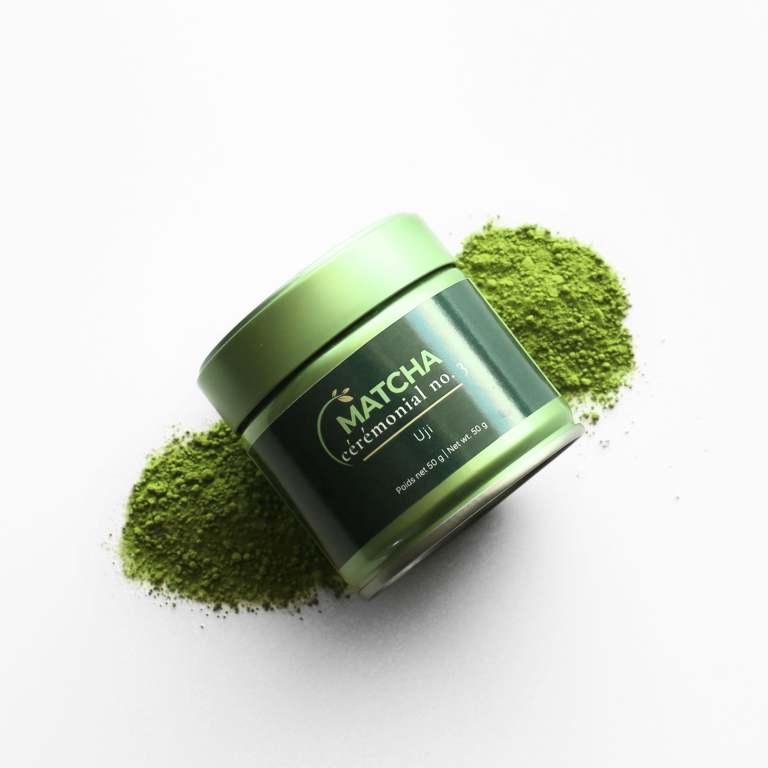
Okumidori from Uji, first harvest, soft and umami. The grade made to be enjoyed on its own.
$54.90 See Ceremonial No.3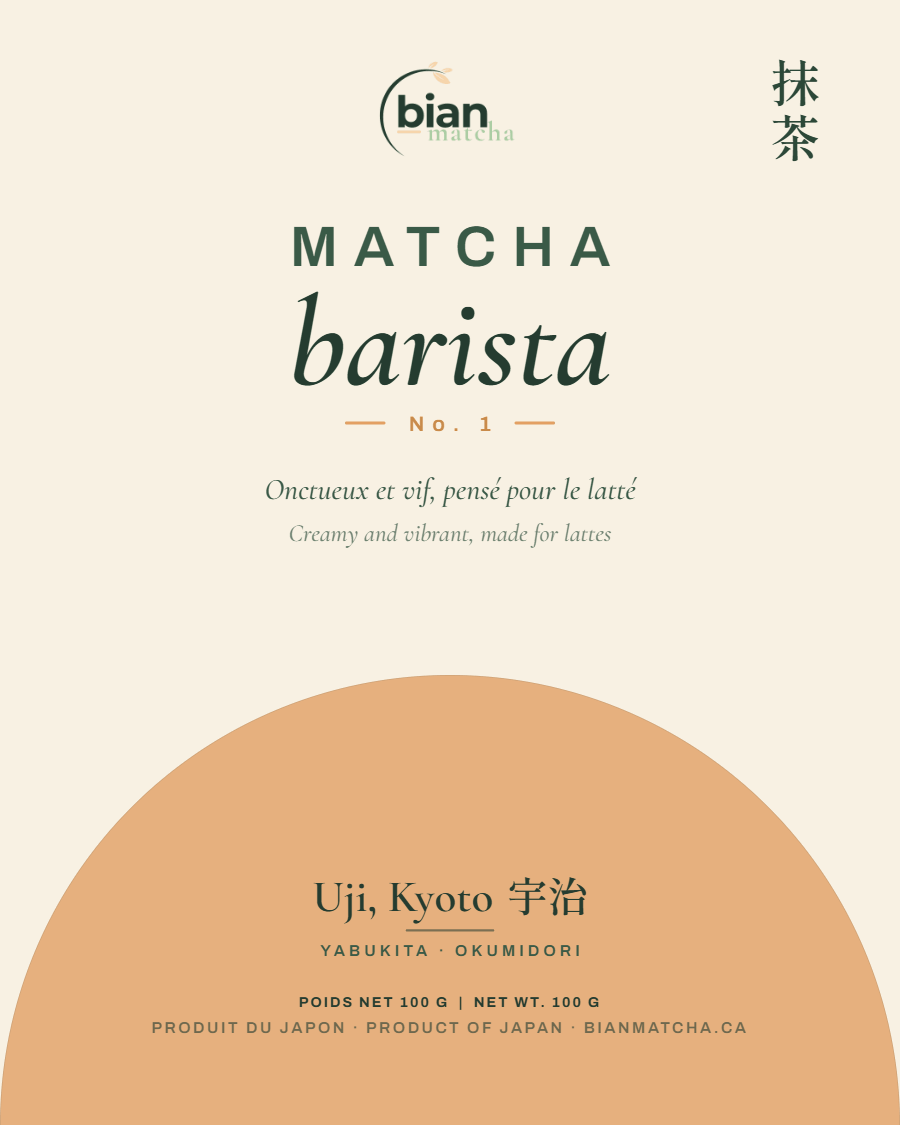
Bold profile built for milk, 100 g size. The matcha for your everyday latte.
$52.90 See Barista No.1FAQ, matcha and pregnancy
Can you drink matcha while pregnant?+
In most cases, yes, in moderation: usually one serving a day, counting its caffeine in your daily total (a 300 mg limit per Health Canada). Since every pregnancy is different, confirm with your doctor or midwife.
How much caffeine is in matcha?+
About 35 to 70 mg for a 1 to 2 g serving of powder, less than drip coffee. Remember to add up all your caffeine sources for the day (coffee, tea, cola, chocolate).
Can matcha affect folate absorption?+
Some studies suggest that a high intake of green tea (more than three cups a day) could reduce folate absorption, which matters in the first trimester. The data is limited. As a precaution, stay at one serving, keep your prenatal vitamin and drink your matcha between meals. Talk to your healthcare provider.
How much matcha per day is safe during pregnancy?+
There's no official figure specific to matcha. Most sources suggest sticking to one serving a day and staying under the recommended caffeine limit (300 mg, or 200 mg per some bodies). Your doctor remains the best reference.
Can you drink matcha while breastfeeding?+
Caffeine passes in small amounts into breast milk. Moderate intake is generally considered compatible, but watch your baby's reactions (sleep, fussiness) and adjust with your healthcare provider.
To go further, see the benefits of matcha, the detail on caffeine in matcha and how to choose your matcha.